





SUBMISSION
PUBLICATIONS
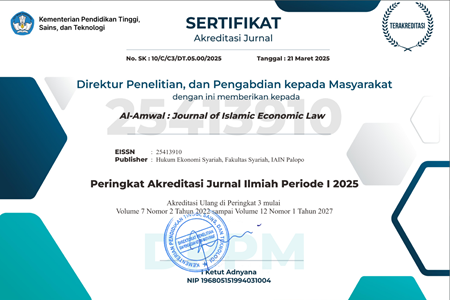
ACCREDITATION
ASSOCIATION

SCOPUS CITATION ANLYTICS

TEMPLATE

SUPPORT CONTACT




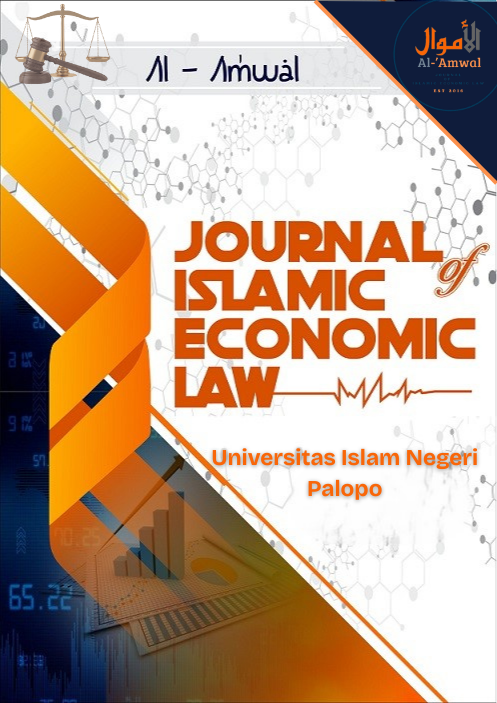
From Fiqh to Governance: Legal Transformation in Islamic Economic Governance
This issue explores the transformation of Islamic Economic Law from a normative orientation toward governance-based approaches that address contemporary socio-economic challenges. It welcomes scholarly contributions examining the role of Islamic legal principles in shaping accountable institutions, public policy, and sustainable economic governance. Topics include Islamic financial governance, halal governance, zakat and waqf governance, digital economy, fintech regulation, Islamic social finance, public accountability, and maqāṣid al-sharī‘ah as a framework for legal and institutional reform. By integrating classical Islamic jurisprudence with contemporary governance perspectives, this issue aims to advance innovative research that contributes to justice, transparency, public trust, and sustainable socio-economic development.
Authors Coverage :  Indonesia ,
  Egypt
Egypt
Contemporary issues in Islamic economic law encompass the harmonization of global Sharia governance and regulatory standards led by bodies such as the Accounting and Auditing Organization for Islamic Financial Institutions and the Islamic Financial Services Board, the rapid expansion of Sharia-compliant fintech and digital assets including cryptocurrency, the development of sustainable and green sukuk aligned with Environmental, Social, and Governance (ESG) principles, which evaluate environmental protection, social responsibility, and transparent governance, the strengthening of dispute resolution and arbitration frameworks, and the advancement of inclusive instruments such as zakat, waqf, and Islamic microfinance within evolving national and transnational legal systems worldwide today.
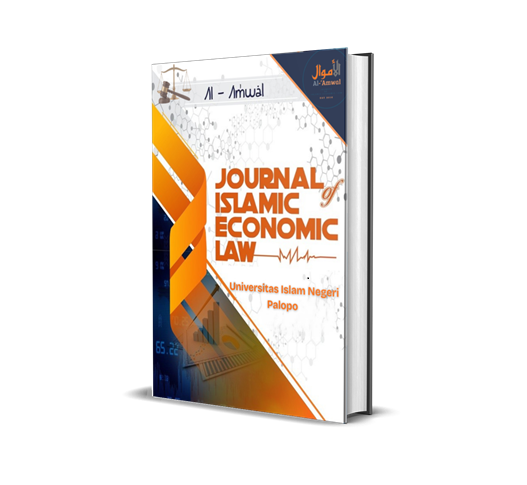
Several interesting issues that are priorities in this edition continue the concept of “Islam, Ecotheology, and Technological Transformations for an Equitable and Sustainable Future”. The position of Islamic Economic Law plays an important role in this theme.
Authors Coverage :  Indonesia ,
  Yemen
Yemen

“Islam, Ecotheology, and Technological Transformation: Multidisciplinary Innovations for an Equitable and Sustainable Future.”
Islamic Law, Social Equality, Sustainable Economic Systems and Social Welfare
Author's country coverage: Indonesia , Timor Leste, Jordania


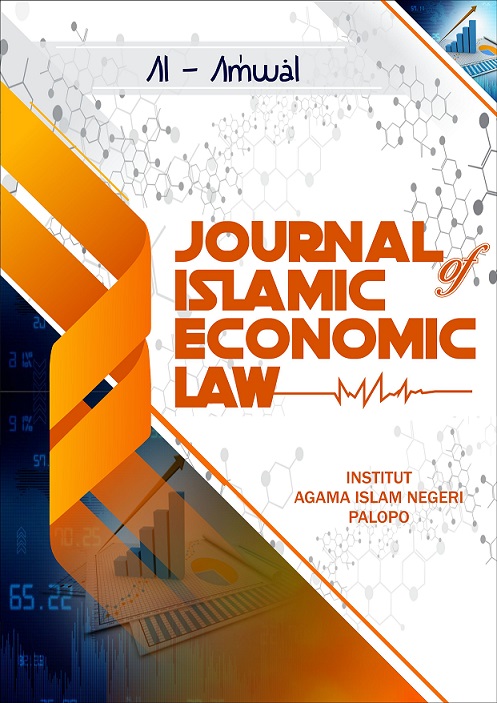
Mengkaji Isu syariat bidang muamalah maliyah untuk mencapai tujuan ekonomi berkelanjutan,kebijakan dan pengaturan tertentu yang berkeadilan dan penguraian penumpukan modal kepada kelompok tertentu, menjaga lingkungan, dan menangani masalah etika yang terkait dengan bisnis di sektor ekonomi. Fiqh dapat membantu pembangunan ekonomi yang berkelanjutan dan sehat, yang dapat memberikan kesejahteraan bagi kemanusiaan universal dan menjaga lingkungan serta sumber daya alam. Ekonomi berkelanjutan yang seperti apa yang berkembang saat ini.
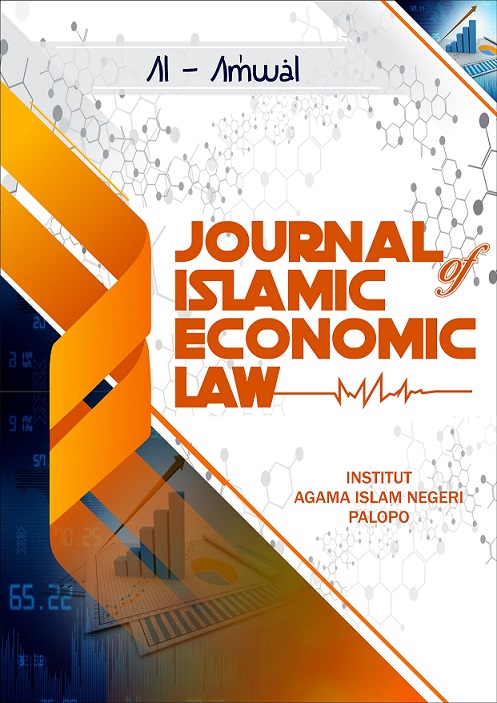

Author's country coverage: Indonesia & Afghanistan

SUBMISSION
PUBLICATIONS
ACCREDITATION
ASSOCIATION
SCOPUS CITATION ANLYTICS
TEMPLATE
SUPPORT CONTACT
TOOLS


USER
MEMBERS

SPONSORED BY



Al-Amwal : Journal Of Islamic Economic Law, Faculty of Sharia, IAIN Palopo, Indonesia